
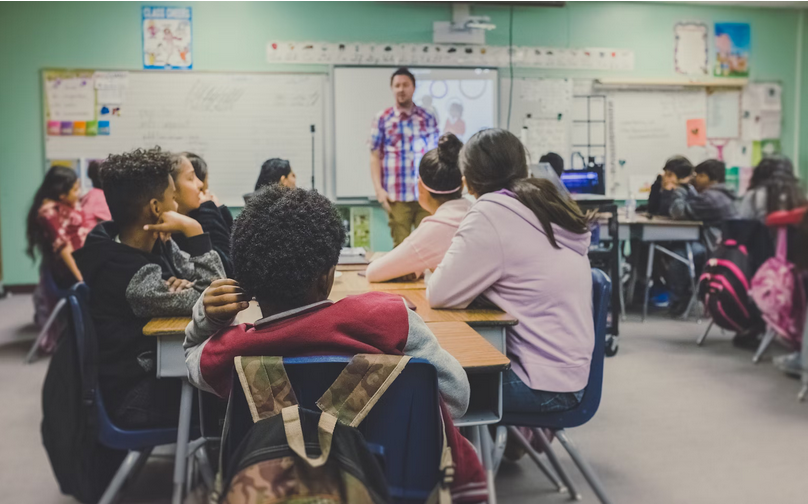
Community partnerships play a vital role in enriching educational opportunities and resources for students, educators, and schools alike. By fostering collaborations between schools, businesses, nonprofit organizations, and local communities, these partnerships create a supportive network that enhances learning experiences and addresses diverse educational needs. This essay explores the significance of community partnerships in education and highlights their impact on fostering academic success, promoting career readiness, and supporting holistic student development. Collaborative Efforts to Enhance Educational Opportunities 1. Access to Diverse Learning Experiences: Community partnerships broaden students’ access to diverse learning experiences beyond the traditional classroom setting. Collaborations with museums, libraries, art centers, and cultural institutions expose students to hands-on activities, workshops, and educational programs that supplement and enrich academic curricula. For example, partnerships with science centers may offer interactive STEM workshops, while collaborations with local artists and performers provide opportunities for creative expression and cultural appreciation. These experiences not only enhance students’ academic knowledge but also foster curiosity, creativity, and a deeper understanding of the world around them. 2. Enrichment of Resources and Facilities: Community partnerships contribute to the enrichment of educational resources and facilities available to schools. Businesses and community organizations often donate equipment, supplies, and funding to support educational initiatives, such as technology upgrades, library resources, and extracurricular programs. For instance, partnerships with corporate sponsors may provide grants for school infrastructure projects or sponsorships for academic competitions and events. By leveraging external resources and expertise, schools can enhance their capacity to provide high-quality education and meet the evolving needs of students. Impact on Career Readiness and Holistic Development 1. Career Exploration and Skill Development: Community partnerships play a crucial role in preparing students for future careers by offering opportunities for career exploration and skill development. Collaboration with local businesses, industry professionals, and vocational training programs exposes students to various career pathways, internship opportunities, and hands-on training experiences. For example, partnerships with healthcare facilities may offer shadowing programs for aspiring medical professionals, while collaborations with tech companies provide coding workshops and mentorship opportunities. These experiences help students gain real-world insights, develop industry-specific skills, and make informed decisions about their educational and career paths. 2. Support for Holistic Student Development: Community partnerships contribute to holistic student development by addressing social, emotional, and wellness needs through collaborative initiatives and support services. Partnerships with healthcare providers, mental health organizations, and social services agencies offer resources such as counseling, wellness workshops, and access to healthcare professionals. For instance, partnerships with community centers may provide after-school programs focused on physical fitness, nutrition education, and mental health awareness. By addressing non-academic barriers to learning, these partnerships promote student well-being, resilience, and academic success. Promoting Equity and Community Engagement Community partnerships play a crucial role in promoting educational equity and fostering community engagement. 1. Addressing Achievement Gaps and Educational Inequities: Community partnerships contribute to addressing achievement gaps and educational inequities by providing targeted support and resources to underserved student populations. Collaborations with nonprofit organizations, advocacy groups, and community leaders facilitate initiatives such as tutoring programs, literacy interventions, and scholarships for low-income students. For example, partnerships with youth development organizations may offer mentorship programs that support academic achievement and personal growth among at-risk youth. By leveraging community resources and expertise, schools can create inclusive learning environments where all students have access to equitable educational opportunities and support services. 2. Building Stronger Community Connections: Community partnerships strengthen relationships between schools, families, and local communities, fostering a sense of belonging and collective responsibility for educational outcomes. Collaborations with parent-teacher associations, neighborhood associations, and civic groups promote family involvement in education through volunteer opportunities, parent workshops, and community events. For instance, partnerships with local businesses may sponsor school-based initiatives such as career fairs, cultural celebrations, and fundraising campaigns. These collaborative efforts create a sense of community pride, support student success, and build sustainable partnerships that benefit both schools and their surrounding neighborhoods. Conclusion In conclusion, community partnerships are integral to enhancing educational opportunities and resources by providing access to diverse learning experiences, enriching educational resources, promoting career readiness, supporting holistic student development, addressing educational inequities, and fostering community engagement. By forging collaborative relationships with businesses, nonprofit organizations, and community stakeholders, schools can leverage external resources, expertise, and support to create inclusive learning environments that empower students to succeed academically, socially, and professionally. Community partnerships not only enrich the educational experience but also strengthen the fabric of communities and promote a shared commitment to educational excellence and equity.

Exploring the Benefits of Montessori Education for Early Childhood Development
Montessori education, developed by Dr. Maria Montessori over a century ago, has gained widespread recognition for its unique approach to early childhood development. This educational philosophy emphasizes independence, self-directed learning, and hands-on exploration within a prepared environment. The Montessori method is designed to nurture children’s natural curiosity, creativity, and cognitive development during their formative years. This essay explores the distinctive features of Montessori education and its numerous benefits for early childhood development. Montessori education is characterized by several key principles that distinguish it from traditional educational approaches: 1. Child-Centered Learning Environment: Central to the Montessori philosophy is the belief that children learn best when they are actively engaged in activities that interest them. In a Montessori classroom, children have the freedom to choose their activities from a range of age-appropriate materials. These materials are designed to be self-correcting, allowing children to learn through hands-on exploration and experimentation. For example, children may work with sensorial materials like geometric shapes or practical life activities such as pouring water or buttoning clothes. By allowing children to follow their interests and pace of learning, Montessori education promotes intrinsic motivation and a lifelong love for learning. 2. Emphasis on Independence and Self-Discipline: Montessori classrooms are carefully prepared to promote independence and self-discipline among children. Practical life activities, such as cleaning tables or preparing snacks, teach children essential life skills and foster a sense of responsibility. Children learn to take care of their environment and respect the needs of others, laying the foundation for social and emotional development. The freedom within limits approach in Montessori education encourages children to make choices within a structured framework, promoting self-regulation and decision-making skills. Benefits of Montessori Education for Early Childhood Development: 1. Holistic Development of Cognitive Skills: Montessori education supports the holistic development of cognitive skills, including problem-solving, critical thinking, and creativity. Children engage in hands-on activities that stimulate their senses and develop their spatial awareness, fine motor skills, and hand-eye coordination. For example, working with Montessori materials like the Pink Tower or the Moveable Alphabet encourages children to explore concepts of size, shape, and language in a concrete and meaningful way. The emphasis on individualized learning allows children to progress at their own pace, mastering skills and concepts before moving on to more complex tasks. 2. Social and Emotional Growth: Montessori education promotes social and emotional growth by fostering a sense of community and collaboration among children. Multi-age classrooms encourage peer learning and mentorship, where older children can help younger ones, promoting empathy and cooperation. Through daily interactions and group activities, children learn to communicate effectively, resolve conflicts peacefully, and develop positive relationships with their peers and teachers. The emphasis on grace and courtesy lessons teaches children to respect others’ feelings and opinions, contributing to a harmonious classroom environment. 3. Cultivation of Independence and Self-Esteem: Montessori education nurtures children’s independence and self-esteem by allowing them to take an active role in their learning journey. Children learn to make choices independently, take initiative, and persevere through challenges. The freedom to explore and learn from their mistakes builds confidence and a sense of accomplishment. For example, completing a challenging puzzle or mastering a new skill boosts children’s self-esteem and motivates them to seek new learning opportunities. Montessori teachers act as guides, offering support and encouragement while respecting each child’s unique developmental pace and learning style. 4. Preparation for Lifelong Learning: Montessori education prepares children for lifelong learning by instilling a love for learning and a strong foundation of skills and knowledge. The emphasis on exploration, discovery, and inquiry-based learning encourages children to ask questions, seek answers, and think critically about the world around them. Montessori graduates are often known for their curiosity, creativity, and ability to adapt to new challenges and environments. The skills and values cultivated in Montessori classrooms, such as independence, resilience, and respect for others, prepare children to become confident and responsible global citizens. In conclusion, Montessori education offers numerous benefits for early childhood development by providing a child-centered learning environment, fostering independence and self-discipline, and promoting holistic growth of cognitive, social, and emotional skills. By embracing the principles of freedom, exploration, and individualized learning, Montessori education empowers children to reach their full potential and lays the groundwork for a lifelong journey of learning and discovery.

Exploring the Role of Play in Early Childhood Education and Development
Play is a fundamental aspect of early childhood education that goes beyond mere amusement; it serves as a critical vehicle for learning and development. From infancy through early school years, children engage in various forms of play that contribute significantly to their cognitive, social, emotional, and physical growth. Understanding the role of play in early childhood education is essential for educators, parents, and caregivers as they support children’s overall development. Play is inherently enjoyable and spontaneous for young children, providing them with opportunities to explore their environment, interact with peers, and make sense of the world around them. Through play, children develop foundational skills that lay the groundwork for future learning and success. This holistic approach to education recognizes play as a central mechanism for learning, shaping children’s cognitive abilities, emotional resilience, and social competence. Cognitive Development through Play One of the primary benefits of play in early childhood education is its role in cognitive development. Play allows children to engage in imaginative scenarios, problem-solving activities, and creative exploration, all of which stimulate cognitive processes such as memory, attention, and language development. For example, pretend play, where children take on roles and enact scenarios, helps them develop narrative skills, understand cause-and-effect relationships, and practice symbolic thinking. Furthermore, play fosters curiosity and experimentation, encouraging children to explore their interests and learn through hands-on experiences. Whether building with blocks, sorting objects, or engaging in sensory play, children develop spatial awareness, mathematical reasoning, and scientific inquiry skills. These cognitive abilities form the foundation for later academic achievement, as children learn to think critically, solve problems independently, and approach learning with confidence. Social and Emotional Development through Play In addition to cognitive benefits, play plays a crucial role in fostering social and emotional development in young children. During play, children learn essential social skills such as cooperation, negotiation, and conflict resolution. Play scenarios often require children to communicate their ideas, take turns, and collaborate with peers, promoting empathy and understanding of others’ perspectives. Moreover, play provides a safe space for children to express and regulate their emotions. Through dramatic play, children can explore different roles and emotions, practicing emotional resilience and coping strategies. Playful interactions with peers and adults help children develop interpersonal skills, form friendships, and navigate social dynamics, laying the groundwork for positive relationships and a sense of belonging. Physical Development through Play Physical play is another critical aspect of early childhood development, promoting gross and fine motor skills, coordination, and physical fitness. Activities such as running, climbing, and playing with balls or playground equipment help children develop strength, agility, and balance. Fine motor skills are refined through activities like drawing, threading beads, and manipulating small objects, preparing children for tasks such as writing and self-care. Furthermore, physical play supports sensory integration, as children engage their senses to explore textures, shapes, and spatial relationships. Sensory play, such as digging in sand or playing with water, stimulates neural pathways and enhances perceptual skills. These physical experiences not only contribute to overall physical health but also enhance children’s ability to engage actively in learning and play experiences. Integrating Play into Early Childhood Education Recognizing the importance of play in early childhood education, educators and caregivers are increasingly incorporating playful learning environments into preschools, kindergartens, and early elementary classrooms. Play-based learning approaches emphasize hands-on, experiential activities that align with children’s natural curiosity and developmental needs. Educators act as facilitators, providing materials, guiding interactions, and promoting learning through play. Moreover, play-based learning encourages a child-centered approach to education, where children actively participate in shaping their learning experiences based on their interests and developmental readiness. This approach values the process of learning over the end product, fostering a love for exploration, discovery, and lifelong learning. Conclusion In conclusion, play is a powerful tool for early childhood education and development, contributing to cognitive, social, emotional, and physical growth. Through play, children engage in meaningful learning experiences that build foundational skills and prepare them for future academic and social success. Educators, parents, and caregivers play a crucial role in supporting and nurturing children’s play experiences, creating environments that encourage curiosity, creativity, and collaboration. By understanding and embracing the role of play in early childhood education, we can empower children to thrive and reach their full potential in all aspects of life.

Strategies for Encouraging Student Self-Regulation and Independent Learning
Encouraging student self-regulation and fostering independent learning are essential goals in education, aiming to equip students with the skills and mindset necessary for lifelong success. Self-regulated learners are able to manage their own learning processes, set goals, monitor their progress, and adapt strategies as needed. Here, we explore effective strategies that educators can employ to promote student self-regulation and independent learning: Promoting Metacognitive Skills: Metacognition involves awareness and understanding of one’s own learning processes. Educators can encourage metacognitive development by teaching students to reflect on their learning goals, monitor their comprehension and progress, and evaluate their strategies for learning. Activities such as journaling, self-assessment checklists, and reflective discussions help students become more aware of their strengths and areas for improvement. For instance, after completing a project or assignment, students can reflect on what strategies worked well and what could be improved for future tasks. Teaching Goal-Setting and Planning: Effective self-regulated learners set specific, achievable goals and develop action plans to reach them. Teachers can support this process by guiding students in setting both short-term and long-term goals related to their academic and personal growth. Encouraging students to break down larger tasks into manageable steps helps them develop planning skills and fosters a sense of autonomy. For example, before starting a research project, students can outline key milestones, set deadlines for each stage, and identify resources needed to complete the assignment successfully. Furthermore, fostering a growth mindset—where students believe that their abilities can be developed through dedication and hard work—supports resilience and persistence in the face of challenges. By emphasizing effort, progress, and learning from mistakes, educators empower students to take ownership of their learning journey and build confidence in their abilities. In conclusion, cultivating student self-regulation and independent learning requires a multifaceted approach that integrates metacognitive skills, goal-setting strategies, and a supportive learning environment. By empowering students to take charge of their learning processes and equipping them with the necessary tools and strategies, educators lay the foundation for lifelong learning and academic success

The Role of Peer Mentoring Programs in Supporting Student Success and Retention
Peer mentoring programs have emerged as effective initiatives in educational settings aimed at enhancing student success, retention, and overall academic achievement. These programs pair experienced students with newer peers to provide guidance, support, and encouragement throughout their academic journey. By fostering positive relationships and creating a supportive learning community, peer mentoring programs empower students to navigate challenges, develop essential skills, and achieve their educational goals. Understanding Peer Mentoring Programs Peer mentoring involves pairing students based on shared academic interests, backgrounds, or goals, with the goal of promoting mutual learning and support. Mentors, typically older students who have successfully navigated the academic environment, offer guidance, advice, and practical strategies to mentees who may be new to the institution or facing academic challenges. Peer mentoring programs vary in structure and focus, ranging from academic support to social integration and personal development. The essence of peer mentoring lies in its ability to create a supportive environment where mentees feel valued, understood, and empowered to succeed. Mentors serve as role models, offering insights into academic expectations, study techniques, time management skills, and campus resources. Through regular meetings, activities, and collaborative learning experiences, peer mentoring programs promote a sense of belonging and community among participants. Benefits of Peer Mentoring Programs Enhancing Academic Performance: Peer mentoring programs contribute to improved academic performance by providing personalized support and guidance to mentees. Mentors assist mentees in setting academic goals, developing study strategies, and overcoming academic challenges. They offer feedback on assignments, help clarify concepts, and reinforce learning objectives, which enhances mentees’ understanding and retention of course materials. Research shows that students who participate in peer mentoring programs often experience higher grades, increased course completion rates, and a greater sense of academic confidence. Mentees benefit from personalized academic support tailored to their individual learning needs, leading to enhanced academic success and progress towards degree completion. Promoting Social Integration and Support: Beyond academic benefits, peer mentoring programs promote social integration and emotional support for students. Mentors help mentees navigate the social aspects of campus life, connect with campus resources, and build relationships with peers and faculty. They provide a sense of community and belonging, especially for new students or those transitioning to a different academic environment. Peer mentors also serve as advocates and allies for mentees, offering encouragement, empathy, and practical advice on navigating challenges such as homesickness, stress, or adjustment to college life. By fostering positive relationships and a supportive network, peer mentoring programs contribute to mentees’ overall well-being and satisfaction with their college experience. Implementing Peer Mentoring Programs To effectively implement peer mentoring programs and maximize their impact on student success and retention, educators and institutions can adopt several key strategies: Recruitment and Training: Recruit mentors who demonstrate leadership, empathy, and a commitment to supporting their peers. Provide comprehensive training on mentorship skills, active listening, cultural competence, and campus resources to ensure mentors are well-prepared to support mentees effectively. Structured Program Design: Design peer mentoring programs with clear goals, objectives, and expectations for mentors and mentees. Establish regular meeting schedules, structured activities, and learning outcomes to guide the mentoring relationship and ensure consistency in support and engagement. Monitoring and Evaluation: Monitor the progress and effectiveness of peer mentoring programs through regular assessments, feedback surveys, and qualitative evaluations. Gather input from mentors, mentees, and stakeholders to identify strengths, challenges, and opportunities for program improvement. Integration with Institutional Support Services: Integrate peer mentoring programs with existing academic support services, counseling resources, and student engagement initiatives. Collaborate with faculty, advisors, and campus administrators to promote holistic student support and enhance the overall student experience. By implementing these strategies, institutions can create a supportive ecosystem that fosters student success, retention, and personal growth through peer mentoring programs. These programs not only enhance academic performance but also promote social integration, emotional well-being, and a sense of belonging among students. Peer mentoring cultivates leadership skills, empathy, and a commitment to lifelong learning, preparing students to thrive academically and contribute positively to their communities and future careers. Conclusion In conclusion, peer mentoring programs play a pivotal role in supporting student success and retention by providing personalized academic support, fostering social integration, and promoting overall well-being. Mentors serve as guides and role models, offering valuable insights, encouragement, and practical strategies to help mentees navigate academic challenges and achieve their educational goals. By creating a supportive learning community and fostering positive relationships, peer mentoring programs empower students to develop essential skills, build confidence, and contribute meaningfully to their academic and personal growth. Institutions that prioritize peer mentoring programs invest in the success and retention of their students, fostering a culture of support, collaboration, and lifelong learning that extends beyond the classroom.

“The Importance of Lifelong Learning: Encouraging Continuous Education and Professional Growth”
In today’s rapidly evolving world, the significance of lifelong learning cannot be overstated. Embracing continuous education and professional growth is not just advantageous but has become essential for individuals and organizations alike. Whether you’re a recent graduate, a seasoned professional, or someone contemplating a career shift, committing to lifelong learning offers numerous benefits that extend far beyond acquiring new skills or certifications. Lifelong learning fosters adaptability in an ever-changing job market. The landscape of industries is constantly shifting due to technological advancements and global trends. Professionals who continually update their knowledge and skill sets are better equipped to navigate these changes and remain relevant in their fields. For instance, an engineer learning about emerging technologies like artificial intelligence or a marketer staying updated with digital marketing trends can enhance their career prospects significantly. Moreover, continuous education promotes innovation and creativity. When individuals engage in learning outside their immediate roles, they bring fresh perspectives and ideas to their work. This can lead to breakthrough innovations within companies and industries, driving growth and competitiveness. For example, a software developer attending workshops on design thinking might introduce novel solutions that streamline processes and improve user experiences. Beyond professional benefits, lifelong learning enriches personal growth and fulfillment. It encourages individuals to explore new interests, expand their horizons, and deepen their understanding of the world. This pursuit of knowledge not only broadens perspectives but also fosters a sense of accomplishment and self-confidence. Whether it’s learning a new language, studying philosophy, or mastering a musical instrument, each new skill acquired contributes to personal development and overall well-being. Furthermore, continuous education supports career advancement and enhances earning potential. Employers value employees who demonstrate a commitment to learning and development. By investing in oneself through courses, certifications, or advanced degrees, individuals increase their chances of securing promotions or negotiating higher salaries. This proactive approach to career growth not only benefits the individual but also contributes to the long-term success of organizations by cultivating a skilled and motivated workforce. In addition to individual benefits, lifelong learning plays a crucial role in societal progress. A population committed to continuous education fosters innovation, drives economic growth, and promotes social cohesion. It empowers individuals from diverse backgrounds to contribute meaningfully to their communities and address complex global challenges collaboratively. For example, initiatives that promote adult education and vocational training can reduce unemployment rates and empower marginalized groups. Moreover, embracing lifelong learning cultivates resilience in the face of adversity. In times of economic uncertainty or industry disruption, individuals with a diverse skill set and a willingness to learn are better equipped to adapt and seize new opportunities. This adaptability not only enhances employability but also mitigates the risks associated with career stagnation or obsolescence in rapidly changing sectors. In conclusion, the importance of lifelong learning extends far beyond professional growth—it encompasses personal enrichment, societal advancement, and resilience in an evolving world. By embracing continuous education, individuals not only enhance their skills and career prospects but also contribute to a more innovative, inclusive, and prosperous society. As we navigate the complexities of the 21st-century global economy, the commitment to lifelong learning remains a cornerstone of success, enabling individuals and organizations to thrive amidst change and uncertainty. Therefore, fostering a culture that encourages and supports lifelong learning is essential for unlocking human potential and building a sustainable future for generations to come.
Exploring the Impact of Arts Integration on Student Engagement and Academic Achievement
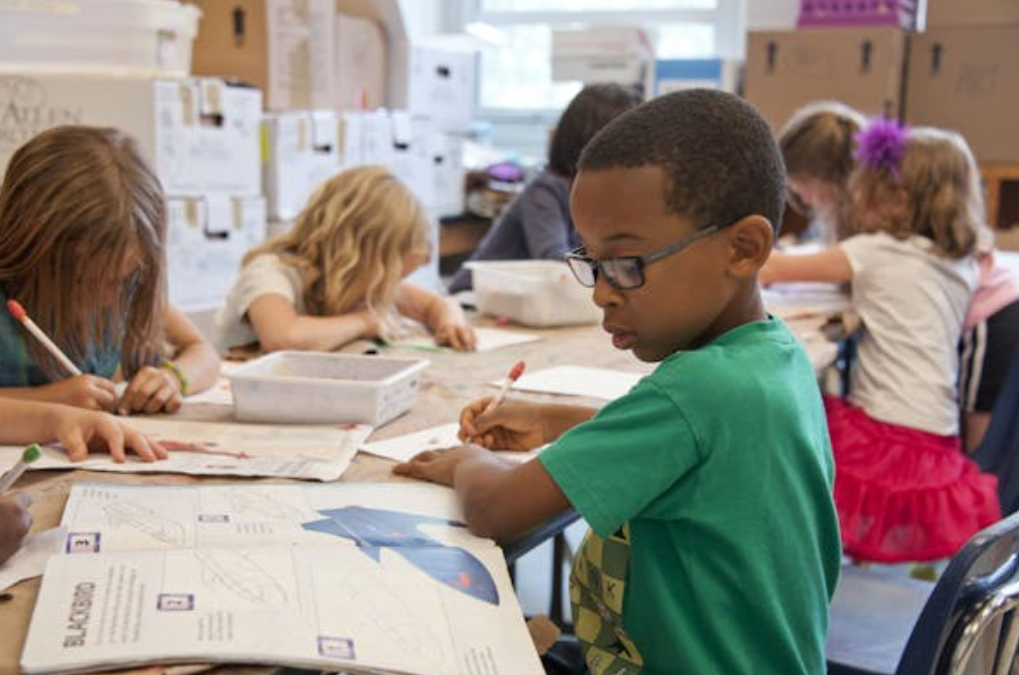
In recent years, educators and researchers alike have increasingly recognized the transformative potential of arts integration in education. This approach goes beyond traditional methods by incorporating artistic practices such as music, visual arts, drama, and dance into core academic subjects like math, science, language arts, and history. The rationale behind arts integration lies in its ability to enhance student engagement and foster deeper learning experiences, ultimately leading to improved academic achievement. This essay delves into the multifaceted impact of arts integration on student engagement and academic achievement, highlighting its benefits and challenges in contemporary educational settings. Arts integration serves as a powerful catalyst for enhancing student engagement. Unlike traditional teaching methods that often rely on rote memorization and passive learning, arts integration actively involves students in the learning process. For instance, a math lesson incorporating geometric principles through visual art encourages students to explore shapes and spatial relationships creatively. This hands-on approach captivates students’ interest and stimulates their curiosity, making learning more dynamic and enjoyable. Research indicates that actively engaged students are more likely to develop a deeper understanding of the subject matter and retain information longer than those taught through conventional methods. Moreover, arts integration nurtures a sense of creativity and self-expression among students. By encouraging them to explore diverse artistic mediums, educators promote critical thinking and problem-solving skills essential for academic success. For example, a science project where students create models of the solar system using recycled materials not only reinforces scientific concepts but also cultivates innovation and resourcefulness. This holistic approach to learning not only enriches students’ educational experiences but also equips them with transferable skills crucial for future endeavors. Furthermore, arts integration has shown promising results in improving academic achievement across various subjects. Studies have demonstrated that students engaged in arts-integrated lessons exhibit higher levels of comprehension and academic performance compared to their peers in traditional classrooms. For instance, a study conducted by the Arts Education Partnership found that schools implementing arts integration reported higher standardized test scores and graduation rates. This correlation underscores the positive impact of incorporating arts into core curricula on overall academic outcomes. Additionally, arts integration promotes inclusive learning environments that cater to diverse learning styles and abilities. By providing alternative avenues for understanding complex concepts, such as through music or drama, educators accommodate students with different strengths and preferences. This personalized approach not only fosters a sense of belonging but also empowers students to achieve their full potential academically. Moreover, arts integration encourages collaboration and communication among peers, fostering a supportive community of learners. Despite its numerous benefits, implementing arts integration in education poses certain challenges. One significant hurdle is the perceived lack of time and resources necessary to develop and implement arts-integrated lesson plans effectively. Educators may require additional training and support to integrate arts seamlessly into existing curricula. Furthermore, the emphasis on standardized testing and academic rigor in many educational systems may detract from the perceived value of arts integration in fostering holistic student development. In conclusion, arts integration represents a promising approach to enhancing student engagement and academic achievement in contemporary education. By incorporating artistic practices into core academic subjects, educators can create dynamic learning experiences that captivate students’ interest and deepen their understanding of complex concepts. Moreover, arts integration fosters creativity, critical thinking, and collaboration among students, equipping them with essential skills for success in an increasingly interconnected world. While challenges persist in implementing this approach, the growing body of research underscores its potential to transform educational outcomes and enrich students’ educational experiences. As educators continue to explore innovative teaching practices, arts integration stands out as a powerful tool for promoting holistic student development and fostering lifelong learning.

The Benefits of Inquiry-Based Learning in Developing Critical Thinking and Scientific Skills
Inquiry-based learning is a student-centered approach that emphasizes questioning, exploration, and discovery. It encourages active engagement with content and fosters critical thinking and scientific skills essential for academic success and lifelong learning. This pedagogical method shifts the focus from rote memorization to deep understanding and application of concepts through inquiry and investigation. By integrating inquiry-based learning into the curriculum, educators can cultivate a deeper appreciation for learning, enhance problem-solving abilities, and prepare students to navigate complex challenges in the 21st century. Cultivating Critical Thinking Skills Inquiry-based learning promotes the development of critical thinking skills by encouraging students to ask questions, analyze information, and draw evidence-based conclusions. Here are some key benefits: Questioning and Inquiry: Inquiry-based learning begins with questions that spark curiosity and drive investigation. Students learn to formulate their own research questions, hypotheses, and predictions based on their observations and prior knowledge. This process of inquiry promotes active learning and stimulates critical thinking as students seek to understand the underlying principles and reasons behind phenomena. Analysis and Evaluation: Through inquiry-based activities, students engage in analyzing data, evaluating sources, and synthesizing information to draw conclusions. They learn to discern patterns, identify relationships between variables, and assess the reliability of evidence. These analytical skills are fundamental for making informed decisions, solving complex problems, and critically evaluating information in various contexts. Problem-Solving Abilities: Inquiry-based learning challenges students to apply their knowledge and skills to solve real-world problems. By engaging in hands-on investigations and experiments, students develop problem-solving strategies, test hypotheses, and explore alternative solutions. This process encourages creativity, perseverance, and resilience in the face of challenges, fostering a growth mindset essential for academic and personal success. Metacognitive Awareness: Inquiry-based learning promotes metacognitive awareness, or the ability to reflect on and regulate one’s own thinking processes. Students learn to monitor their understanding, identify gaps in knowledge, and adjust their learning strategies accordingly. This metacognitive reflection enhances self-directed learning and empowers students to take ownership of their academic growth and development. Developing Scientific Skills Inquiry-based learning plays a pivotal role in developing scientific skills by immersing students in authentic scientific inquiry and experimentation. Here are key benefits related to scientific skills development: Hands-On Exploration: Inquiry-based learning encourages hands-on exploration and experimentation, providing students with opportunities to engage directly with scientific phenomena. Whether conducting experiments in a laboratory setting or observing natural phenomena in the field, students develop practical skills in data collection, measurement, and observation. This experiential learning approach enhances their understanding of scientific concepts and principles. Collaborative Learning Environments: Inquiry-based learning fosters collaborative learning environments where students work together to investigate scientific questions and share findings. Collaborative activities promote communication, teamwork, and collective problem-solving, mirroring the collaborative nature of scientific research and discovery. By collaborating with peers, students learn to communicate their ideas, negotiate differing viewpoints, and contribute to shared goals. Application of Scientific Method: In inquiry-based learning, students apply the scientific method—a systematic approach to inquiry involving observation, hypothesis formulation, experimentation, data analysis, and conclusion drawing. This process allows students to experience firsthand how scientists investigate natural phenomena and test theories. By following the scientific method, students develop a deeper appreciation for evidence-based reasoning and the importance of empirical evidence in scientific inquiry. Integration of STEM Skills: Inquiry-based learning integrates STEM (science, technology, engineering, and mathematics) skills by emphasizing interdisciplinary connections and real-world applications. Students engage in cross-disciplinary investigations that require them to apply knowledge from multiple disciplines to solve complex problems. This holistic approach prepares students for careers in STEM fields by fostering creativity, innovation, and a deep understanding of the interconnectedness of scientific concepts. Conclusion Inquiry-based learning is a powerful educational approach that promotes the development of critical thinking and scientific skills essential for success in the 21st century. By encouraging questioning, exploration, and discovery, inquiry-based learning cultivates a curiosity-driven mindset and empowers students to actively engage with content. Through inquiry-based activities, students develop critical thinking skills such as questioning, analysis, problem-solving, and metacognitive awareness. They also acquire scientific skills through hands-on experimentation, collaborative learning environments, and the application of the scientific method. These skills are not only crucial for academic achievement but also prepare students to navigate complex challenges, contribute to scientific knowledge, and make informed decisions in their personal and professional lives. By embracing inquiry-based learning, educators can inspire a lifelong passion for learning and equip students with the skills and competencies needed to thrive in a rapidly changing world.

Implementing Restorative Practices in Schools to Improve Discipline and Relationships
Implementing restorative practices in schools has emerged as a transformative approach to discipline that focuses on repairing harm, fostering accountability, and building positive relationships within the school community. Unlike traditional punitive measures, restorative practices emphasize dialogue, empathy, and understanding, aiming to address underlying issues while promoting a sense of belonging and responsibility among students and staff alike. Here’s an exploration of how restorative practices can improve discipline and relationships in schools: Restorative practices encourage a shift from punitive disciplinary measures to proactive approaches that prioritize prevention, conflict resolution, and the promotion of positive behaviors. By fostering a supportive and inclusive school climate where every member feels heard and valued, restorative practices contribute to improved discipline and stronger relationships among students, educators, and the wider community. Restorative practices are rooted in principles of respect, empathy, and accountability. When conflicts or incidents occur, restorative circles or conferences provide a structured framework for dialogue, allowing participants to express their perspectives, acknowledge the impact of their actions, and collaboratively work towards resolutions. These restorative conversations not only address immediate issues but also help prevent future conflicts by strengthening communication skills and promoting empathy and understanding. Furthermore, restorative practices prioritize building a sense of community and fostering positive relationships among students and between students and staff. By creating opportunities for students to develop meaningful connections and take responsibility for their actions in a supportive environment, restorative practices contribute to a positive school culture where trust, respect, and collaboration are valued. In conclusion, implementing restorative practices in schools represents a proactive approach to discipline that prioritizes building relationships, fostering accountability, and promoting positive behavior. By embracing restorative principles and integrating these practices into daily school routines, educators can create a more inclusive and supportive learning environment where all members of the school community feel valued, respected, and empowered

The Role of Formative Feedback in Supporting Student Learning and Growth
Formative feedback plays a crucial role in the educational process by providing students with timely and constructive information about their learning progress. Unlike summative assessments that measure final outcomes, formative feedback is ongoing and aims to support students in understanding their strengths, areas for improvement, and how to achieve learning goals more effectively. This feedback-oriented approach not only enhances academic performance but also fosters a growth mindset and promotes continuous improvement among students. Understanding Formative Feedback Formative feedback encompasses a range of strategies and practices designed to inform and guide students during the learning process. It is typically provided during instructional activities, assignments, and assessments to help students understand where they stand in relation to learning objectives. Unlike grades or scores, which provide a final judgment of performance, formative feedback focuses on specific strengths and weaknesses, offering suggestions for improvement and strategies for further development. Importance of Formative Feedback in Student Learning Promoting Learning Engagement and Motivation: Formative feedback engages students actively in the learning process by providing personalized guidance and encouragement. When students receive specific feedback on their performance, they gain insights into their progress and areas needing improvement. This information motivates them to invest effort in mastering concepts and skills, as they understand the direct link between their actions and learning outcomes. Moreover, constructive feedback reinforces a growth mindset, where students believe in their ability to improve through effort and perseverance. By highlighting progress and incremental achievements, formative feedback fosters resilience and a positive attitude towards learning challenges. Facilitating Targeted Instruction and Differentiated Learning: Effective formative feedback enables teachers to tailor instruction to meet individual student needs and learning styles. By identifying misconceptions, gaps in understanding, or areas of strength, educators can adjust teaching strategies, reteach concepts, or provide additional support as needed. This personalized approach ensures that each student receives the guidance and resources necessary to achieve mastery of learning objectives. Furthermore, formative feedback supports differentiated instruction by recognizing diverse learning preferences and abilities. Teachers can use feedback to adapt instructional materials, modify pacing, or offer alternative learning opportunities that accommodate varying learning profiles within the classroom. This flexibility promotes equity and inclusivity, ensuring that all students have opportunities to succeed based on their unique strengths and challenges. Implementing Effective Formative Feedback Practices To maximize the impact of formative feedback on student learning and growth, educators can employ several effective practices: Timely and Specific Feedback: Provide feedback promptly after assessments or assignments to ensure its relevance and usefulness. Focus on specific aspects of student performance, addressing strengths, areas for improvement, and actionable steps for progress. Clear Communication: Use language that is clear, constructive, and supportive to help students understand the purpose and value of feedback. Emphasize growth-oriented language that encourages reflection, goal-setting, and continuous improvement. Student Involvement: Involve students in the feedback process by encouraging self-assessment and reflection on their learning progress. Promote dialogue between students and teachers to discuss feedback, clarify expectations, and set personalized learning goals. Use of Rubrics and Criteria: Develop and share assessment criteria and rubrics with students to clarify expectations and standards for performance. Use these tools to provide structured feedback that aligns with learning objectives and helps students track their progress over time. By integrating these practices into instructional routines, educators can create a supportive feedback environment that empowers students to take ownership of their learning journey. Formative feedback not only informs instructional decisions but also cultivates a collaborative learning culture where students are actively engaged in their academic growth and development. Conclusion In conclusion, formative feedback plays a pivotal role in supporting student learning and growth by providing timely, specific, and constructive information about their progress towards learning goals. By focusing on individual strengths, areas for improvement, and strategies for enhancement, formative feedback promotes engagement, motivation, and a growth mindset among students. Educators play a critical role in implementing effective feedback practices that personalize instruction, differentiate learning experiences, and empower students to achieve academic success. Through ongoing dialogue, reflection, and collaboration, formative feedback fosters a dynamic learning environment where every student has the opportunity to thrive and reach their full potential.