Education is changing rapidly as students develop different learning needs, interests, abilities, and expectations. Traditional teaching methods may not always provide the flexibility required to support every learner. This is where responsive education solutions become important.
Responsive education solutions focus on creating flexible, inclusive, and student-centered learning environments. They help schools, teachers, and educational institutions adapt teaching methods, learning materials, technology, and support services to meet students’ needs.
From personalized learning and digital classrooms to inclusive teaching strategies, responsive education solutions can improve student engagement and make education more accessible.
What Are Responsive Education Solutions?
Responsive education solutions are teaching strategies, educational technologies, and support systems designed to respond to the different learning needs of students.
They focus on adapting education according to students’ abilities, learning preferences, academic progress, and individual circumstances.
These solutions may include:
- Personalized learning programs.
- Digital learning platforms.
- Adaptive educational technology.
- Inclusive classroom strategies.
- Flexible teaching methods.
- Student assessment and feedback systems.
- Teacher training and professional development.
- Academic counseling and student support.
The main goal is to ensure that students receive appropriate learning opportunities and support to achieve their educational goals.
Why Are Responsive Education Solutions Important?
Every student learns differently. Some students understand concepts through visual explanations, while others benefit from practical activities, discussions, reading, or digital resources.
Responsive education solutions help educators address these differences instead of relying on a single teaching approach.
1. Support Individual Learning Needs
Students have different academic strengths, challenges, and learning speeds. Responsive teaching allows educators to adjust instruction and provide additional support when needed.
2. Improve Student Engagement
Interactive lessons, digital resources, group activities, and personalized learning experiences can make education more interesting.
3. Promote Inclusive Education
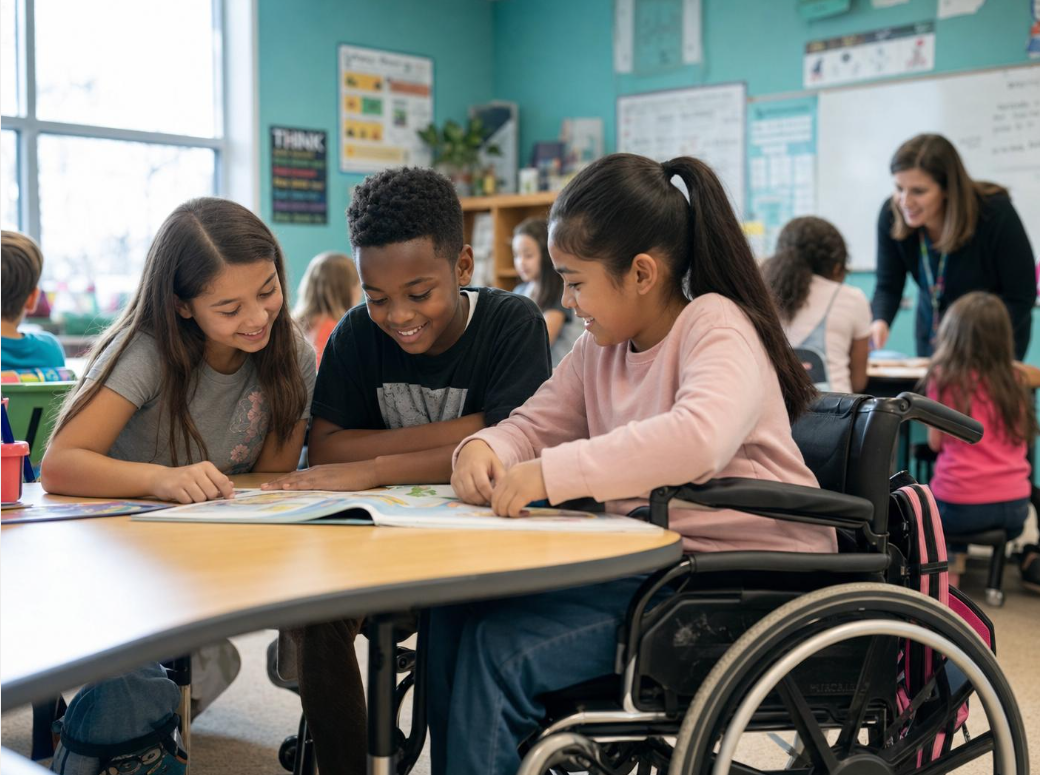
Responsive solutions help schools create learning environments that support students with disabilities, different backgrounds, and diverse educational needs.
4. Encourage Better Academic Progress
Regular feedback and flexible teaching strategies help teachers identify learning gaps and provide timely assistance.
5. Prepare Students for the Future
Modern education increasingly requires digital literacy, communication, creativity, critical thinking, and problem-solving skills.
Responsive education can help students develop these abilities.
Types of Responsive Education Solutions
Different educational institutions can use different approaches depending on their students, resources, and learning objectives.
1. Personalized Learning Solutions
Personalized learning adapts educational activities and resources to individual student needs.
Teachers may adjust:
- Learning goals.
- Lesson difficulty.
- Teaching methods.
- Practice activities.
- Assessment strategies.
- Additional academic support.
For example, a student who struggles with mathematics may receive additional practice and visual explanations, while another student may be given more advanced problems.
2. Adaptive Learning Technology
Adaptive learning platforms use student performance and learning data to adjust educational content.
These platforms may:
- Identify knowledge gaps.
- Recommend practice activities.
- Adjust question difficulty.
- Track student progress.
- Provide immediate feedback.
They can help teachers understand where students need additional support.
3. Digital Education Solutions
Digital learning solutions make educational resources available through technology.
Examples include:
- Learning management systems.
- Online classrooms.
- Digital libraries.
- Educational applications.
- Interactive learning materials.
- Virtual learning environments.
These tools can support classroom instruction, remote education, and blended learning.
4. Inclusive Education Solutions
Inclusive education focuses on ensuring that all students can participate meaningfully in learning.
Schools may provide:
- Accessible learning materials.
- Assistive technology.
- Flexible classroom arrangements.
- Individualized support.
- Alternative assessment methods.
- Additional learning assistance.
These approaches can help students with different abilities and educational requirements.
5. Flexible Learning Programs
Flexible learning gives students different ways to access educational content and demonstrate their understanding.
Examples include:
- Online learning.
- Hybrid education.
- Self-paced courses.
- Project-based learning.
- Practical learning activities.
- Flexible assessment options.
6. Student Support and Counseling
Responsive education also considers students’ emotional, social, and academic well-being.
Schools can provide counseling, mentoring, career guidance, academic support, and family communication services.
Benefits of Responsive Education Solutions
Responsive education solutions can benefit students, teachers, parents, and educational institutions.
| Benefit | How It Helps |
|---|---|
| Personalized learning | Addresses individual learning needs |
| Better engagement | Makes lessons more interactive |
| Improved accessibility | Supports diverse learners |
| Timely feedback | Helps identify learning gaps |
| Flexible education | Offers different learning options |
| Teacher support | Provides useful learning insights |
| Digital literacy | Develops technology skills |
| Student confidence | Encourages independent learning |
How Technology Supports Responsive Education
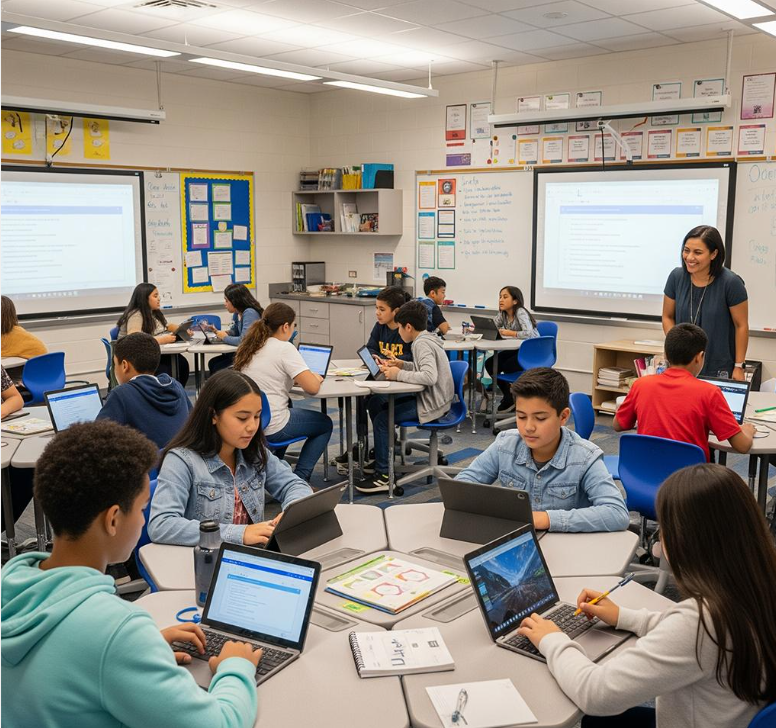
Technology plays an important role in modern education by helping teachers deliver flexible and engaging learning experiences.
Learning Management Systems
Learning management systems (LMS) help schools organize courses, assignments, learning materials, assessments, and student communication.
Artificial Intelligence in Education
Artificial intelligence can support education through personalized recommendations, automated feedback, tutoring assistance, and learning analytics.
However, AI-generated information should be reviewed by educators to ensure accuracy, fairness, and suitability.
Virtual Classrooms
Virtual classrooms allow teachers and students to interact online. They can support remote learning, collaboration, and access to educational resources.
Educational Applications
Educational apps can provide interactive exercises, quizzes, videos, simulations, and practice activities.
Data-Driven Learning
Student performance data can help teachers recognize patterns, identify learning difficulties, and make informed instructional decisions.
Schools should protect student privacy and use educational data responsibly.
Responsive Education Solutions for Different Learners
A responsive education approach recognizes that students have different needs and may require different types of support.
For Young Learners
Young students benefit from interactive lessons, storytelling, visual materials, games, and hands-on activities.
For Secondary School Students
Secondary students may benefit from subject-specific learning support, digital resources, career guidance, and practical projects.
For Higher Education Students
Colleges and universities can use flexible course delivery, online learning platforms, academic advising, and research-based learning.
For Students With Disabilities
Students with disabilities may benefit from accessible content, assistive technology, individualized instruction, and appropriate accommodations.
For Adult Learners
Adult learners often need flexible schedules, online courses, professional development, and learning opportunities that fit around work and personal responsibilities.
How Schools Can Implement Responsive Education Solutions
Schools need a clear plan to introduce responsive education strategies successfully.
Step 1: Understand Student Needs
Start by identifying students’ academic strengths, learning challenges, interests, and support requirements.
Teachers can use assessments, classroom observations, student feedback, and discussions with families.
Step 2: Set Clear Learning Goals
Establish measurable learning objectives based on curriculum requirements and student needs.
Step 3: Select Appropriate Teaching Methods
Use a combination of classroom instruction, group activities, digital resources, practical exercises, and individualized learning support.
Step 4: Introduce Suitable Technology
Choose educational tools that address actual learning requirements rather than adopting technology simply because it is popular.
Step 5: Train Teachers
Provide professional development so educators can confidently use new teaching methods, digital platforms, and inclusive learning practices.
Step 6: Monitor Student Progress
Use assessments, student feedback, and classroom observations to understand whether the solutions are effective.
Step 7: Improve the Learning Approach
Review results regularly and make changes when students need different forms of instruction or support.
Challenges in Implementing Responsive Education Solutions
Although responsive education offers many advantages, schools may face challenges during implementation.
Limited Resources
Some schools may not have enough devices, internet access, learning materials, or trained staff.
Teacher Training Requirements
Educators need time and professional development to adopt new technologies and teaching approaches.
Digital Accessibility
Students may have different levels of access to devices, internet connections, and accessible digital content.
Data Privacy Concerns
Educational technology may collect sensitive student information. Schools should follow applicable privacy requirements and use secure systems.
Resistance to Change
Teachers, parents, and administrators may need time to understand and adopt new educational approaches.
Addressing these challenges requires planning, investment, collaboration, and regular evaluation.
How to Choose the Right Responsive Education Solutions
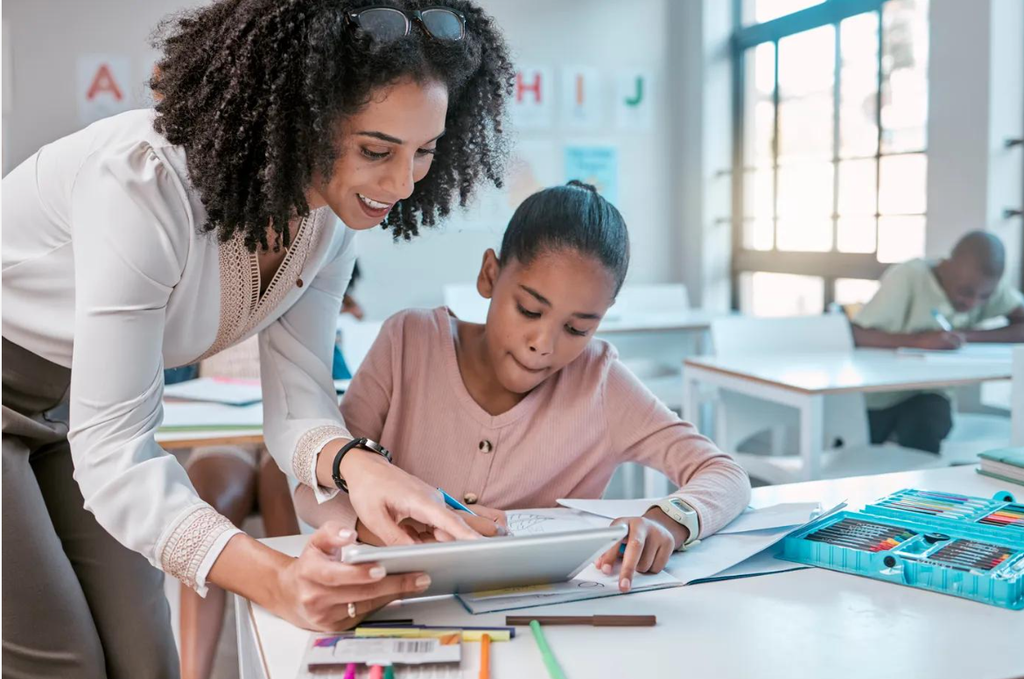
Educational institutions should evaluate their requirements before selecting a solution.
Important factors include:
- Student requirements: Does the solution address actual learning needs?
- Ease of use: Can teachers and students use it comfortably?
- Accessibility: Does it support students with different abilities?
- Technology compatibility: Does it work with existing school systems?
- Cost: Is it affordable to implement and maintain?
- Teacher training: Is appropriate training available?
- Data security: Does it protect student information?
- Measurable outcomes: Can the school evaluate its educational impact?
The most effective solution is one that improves learning rather than simply adding more technology to the classroom.
Future of Responsive Education Solutions
The future of responsive education will likely involve greater use of artificial intelligence, adaptive learning platforms, accessible digital resources, and flexible learning environments.
Important developments may include:
- AI-supported personalized learning.
- More interactive digital classrooms.
- Improved accessibility tools.
- Real-time learning feedback.
- Virtual and augmented reality education.
- Flexible learning pathways.
- Greater focus on student well-being.
- Better integration of online and classroom learning.
However, technology alone cannot create effective education. Skilled teachers, meaningful relationships, supportive school environments, and appropriate learning strategies will remain essential.
Frequently Asked Questions About Responsive Education Solutions
1. What are responsive education solutions?
Responsive education solutions are teaching methods, technologies, and student support systems designed to address different learning needs and improve educational experiences.
2. Why are responsive education solutions important?
They help schools provide personalized learning, improve student engagement, support inclusion, and respond to individual academic challenges.
3. What are examples of responsive education solutions?
Examples include adaptive learning platforms, personalized instruction, digital classrooms, assistive technology, flexible learning programs, and academic counseling.
4. How does technology support responsive education?
Technology supports responsive education through online learning platforms, interactive educational applications, AI-supported tools, digital assessments, and learning analytics.
5. What is personalized learning?
Personalized learning is an educational approach that adapts teaching methods, learning materials, and academic activities to students’ individual needs and progress.
6. How can schools implement responsive education?
Schools can implement it by understanding student needs, setting learning goals, training teachers, selecting suitable technology, monitoring progress, and improving teaching strategies.
7. Are responsive education solutions useful for students with disabilities?
Yes. Accessible materials, assistive technology, individualized instruction, and appropriate accommodations can help students with disabilities participate in education.
8. What is the future of responsive education?
The future is expected to include more personalized learning, AI-supported educational tools, accessible digital classrooms, flexible learning programs, and stronger student support systems.
Conclusion
Responsive education solutions help schools create flexible, inclusive, and student-centered learning environments. By combining personalized instruction, educational technology, accessible resources, and appropriate student support, institutions can respond more effectively to different learning needs.
Successful implementation requires more than digital tools. It depends on skilled teachers, thoughtful planning, student participation, and continuous improvement.
As education continues to evolve, responsive education solutions can play an important role in making learning more accessible, engaging, and effective for every student.


1 Comment
[…] Read also:-https://proeduzone.com/responsive-education-solutions-meaning-benefits-types-and-importance/ […]