
Education plays an essential role in shaping people’s knowledge, values, behavior, and understanding of the world. However, not every form of information presented as education is necessarily accurate, appropriate, or beneficial.
The term perverted education can refer to education that has been distorted, misused, or presented in a harmful way. It may describe misleading information, inappropriate teaching practices, the manipulation of students, or educational content that promotes harmful attitudes and behaviors.
Understanding this concept helps parents, teachers, and educational institutions recognize the importance of accurate information, ethical teaching, student safety, and responsible learning environments.
What Is Perverted Education?
Perverted education is a non-standard term used to describe educational information, practices, or messages that are distorted, inappropriate, misleading, or harmful.
The word “perverted” generally refers to something that has been altered or distorted from its accepted purpose or meaning.
When applied to education, the expression may describe situations where learning is used to:
- Promote false or misleading information.
- Encourage harmful attitudes or discrimination.
- Manipulate students’ opinions or behavior.
- Present inappropriate material without suitable context.
- Discourage independent thinking.
- Abuse the authority or trust of educators.
The term should be used carefully because it is not an established educational discipline or universally accepted academic category.
What Are the Characteristics of Harmful or Distorted Education?
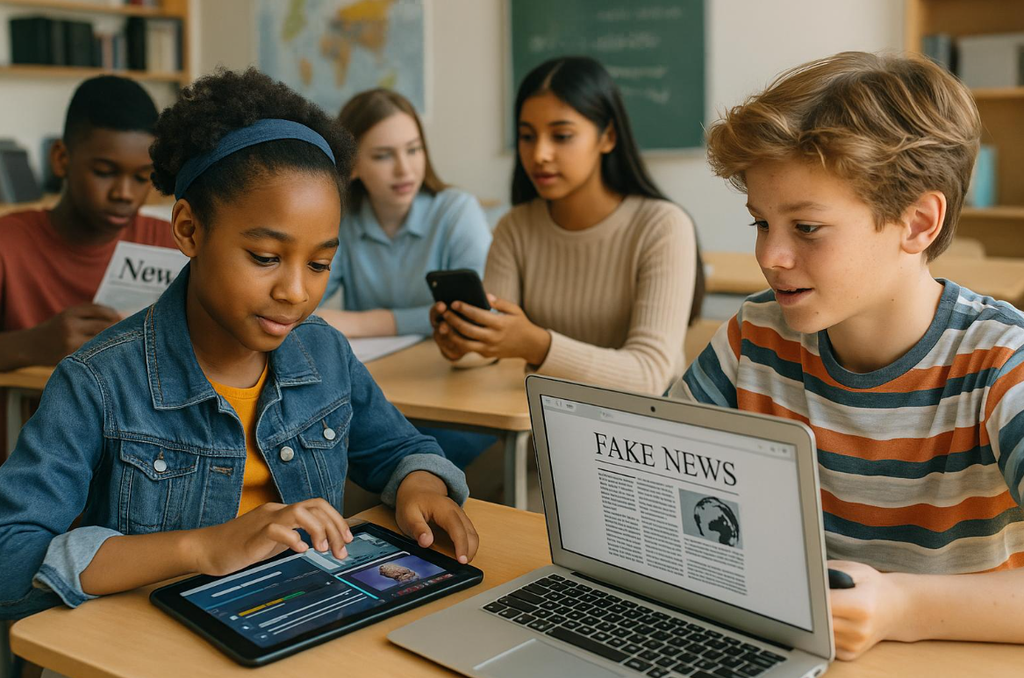
Education becomes problematic when it fails to support students’ intellectual, emotional, and social development.
Some warning signs include:
1. Misinformation
Students may receive inaccurate information presented as established fact. This can create confusion and affect their understanding of important subjects.
2. Lack of Critical Thinking
A harmful educational approach may discourage students from asking questions, evaluating evidence, or considering different perspectives.
3. Inappropriate Learning Materials
Educational materials should match students’ ages, developmental needs, and learning objectives. Content that lacks appropriate context or safeguards may create problems.
4. Discrimination and Stereotyping
Teaching that promotes prejudice, exclusion, or disrespect toward individuals or groups can negatively affect students and classroom relationships.
5. Misuse of Authority
Teachers and educational professionals have a responsibility to maintain appropriate boundaries. Using educational authority to manipulate, intimidate, or exploit students is unacceptable.
Causes of Distorted or Harmful Educational Practices
Several factors can contribute to harmful educational experiences.
1. Poor Educational Standards
When institutions lack clear teaching guidelines, quality controls, and appropriate learning objectives, students may receive unreliable or unsuitable information.
2. Lack of Teacher Training
Educators need professional training in subject knowledge, classroom management, student development, safeguarding, and ethical teaching.
3. Misinformation on Digital Platforms
Students increasingly access information through websites, social media, videos, and online communities. Without media literacy, they may struggle to distinguish reliable information from misleading content.
4. Ideological Manipulation
Education should encourage informed thinking rather than force students to accept unsupported claims or harmful beliefs.
5. Weak Student Protection Policies
Schools need clear safeguarding procedures, reporting systems, and professional conduct standards to protect students from abuse and exploitation.
Effects of Harmful Education on Students
Distorted educational practices can affect students in several ways.
| Area | Possible Effect |
|---|---|
| Academic development | Confusion and inaccurate knowledge |
| Critical thinking | Difficulty evaluating information |
| Emotional well-being | Stress, fear, or reduced confidence |
| Social development | Prejudice or disrespect toward others |
| Decision-making | Difficulty recognizing reliable information |
| Classroom participation | Reduced trust and engagement |
The impact depends on the nature of the experience, its duration, and the support available to the student.
Importance of Ethical and Responsible Education
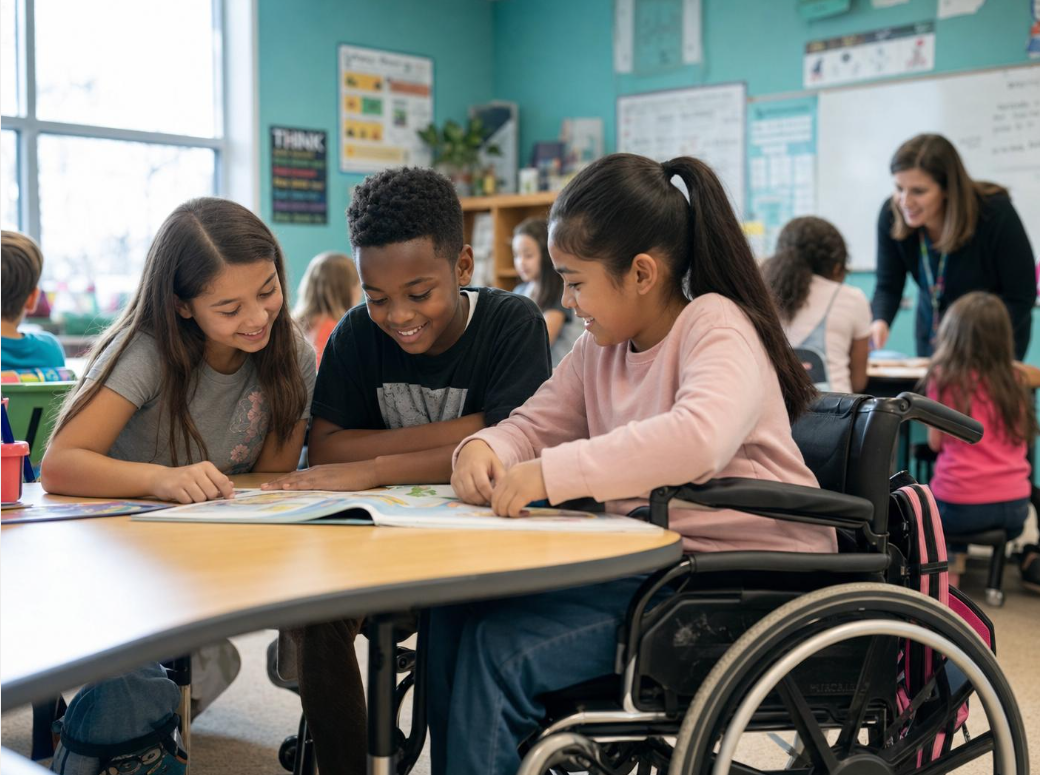
Ethical education provides students with accurate knowledge while respecting their dignity, safety, and individual differences.
Important principles include:
Accurate Information
Teachers should use reliable educational resources and distinguish facts from opinions.
Respect for Students
Every learner deserves to be treated with dignity, fairness, and understanding.
Age-Appropriate Teaching
Learning materials should be appropriate to students’ developmental stages and educational requirements.
Critical Thinking
Students should be encouraged to ask questions, examine evidence, and develop independent reasoning skills.
Safe Learning Environments
Schools should establish clea


1 Comment
[…] Read also:-https://proeduzone.com/perverted-education-meaning-causes-effects-and-the-importance-of-proper-educa… […]