
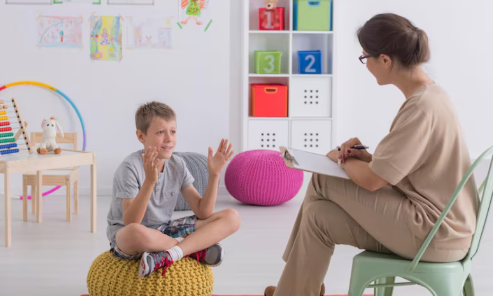
Every child has different needs, strengths, interests, and ways of communicating. For children on the autism spectrum, having the right support can make daily life easier and help them build important skills. An autism clinic provides specialized care designed around each child’s individual needs. Instead of using the same approach for every child, professionals create personalized strategies that support communication, learning, behavior, and social development.
Understanding Each Child’s Unique Needs
One of the first steps in personalized care is understanding the child as an individual. An autism clinic may assess communication skills, behavior, learning abilities, sensory needs, and social interaction. These assessments help professionals understand areas where a child may need additional support.
Parents and caregivers can also share important information about the child’s daily routines, interests, challenges, and progress. By combining professional assessments with family input, the care team can develop a more complete understanding of the child.
Creating a Personalized Autism Care Plan
After understanding the child’s needs, an autism clinic can create a care plan that focuses on specific and realistic goals. These goals may involve improving communication, developing social skills, increasing independence, or managing behaviors that make daily activities difficult.
The plan can be adjusted as the child grows and develops. If a particular method is not working well, professionals can change their approach. This flexible process helps ensure that care remains useful and appropriate for the child’s current needs.
Supporting Communication and Social Skills
Communication can be challenging for some children with autism. An autism clinic can provide support that helps children express their needs, feelings, and ideas more effectively. Depending on the child’s abilities, professionals may work on spoken language, gestures, visual communication, or other communication methods.
Social skills can also be developed through structured activities and guided interactions. Children may learn how to take turns, respond to others, follow conversations, and participate more comfortably in social situations.
Helping Children Develop Daily Life Skills
Personalized autism care is not limited to communication and social development. An autism clinic can also help children develop practical skills that support greater independence. These may include following routines, getting dressed, eating, completing simple tasks, and managing transitions between activities.
Learning these skills step by step can give children greater confidence. Small improvements can also make everyday routines easier for both children and their families.
Working Closely With Parents and Caregivers
Family involvement is an important part of effective autism care. Professionals at an autism clinic can guide parents and caregivers on how to support a child’s development at home. When families understand the strategies being used during therapy, they can apply similar approaches in everyday situations.
Regular communication between families and professionals also makes it easier to discuss progress, concerns, and changing needs. This creates a more consistent support system for the child.
Conclusion
An autism clinic can provide valuable support by focusing on the individual needs of each child. Through personalized assessments, targeted care plans, communication support, daily skill development, and family involvement, children can receive guidance that matches their abilities and goals. With consistent and compassionate care, personalized autism services can help children build confidence, develop useful skills, and participate more comfortably in everyday life.