Introduction
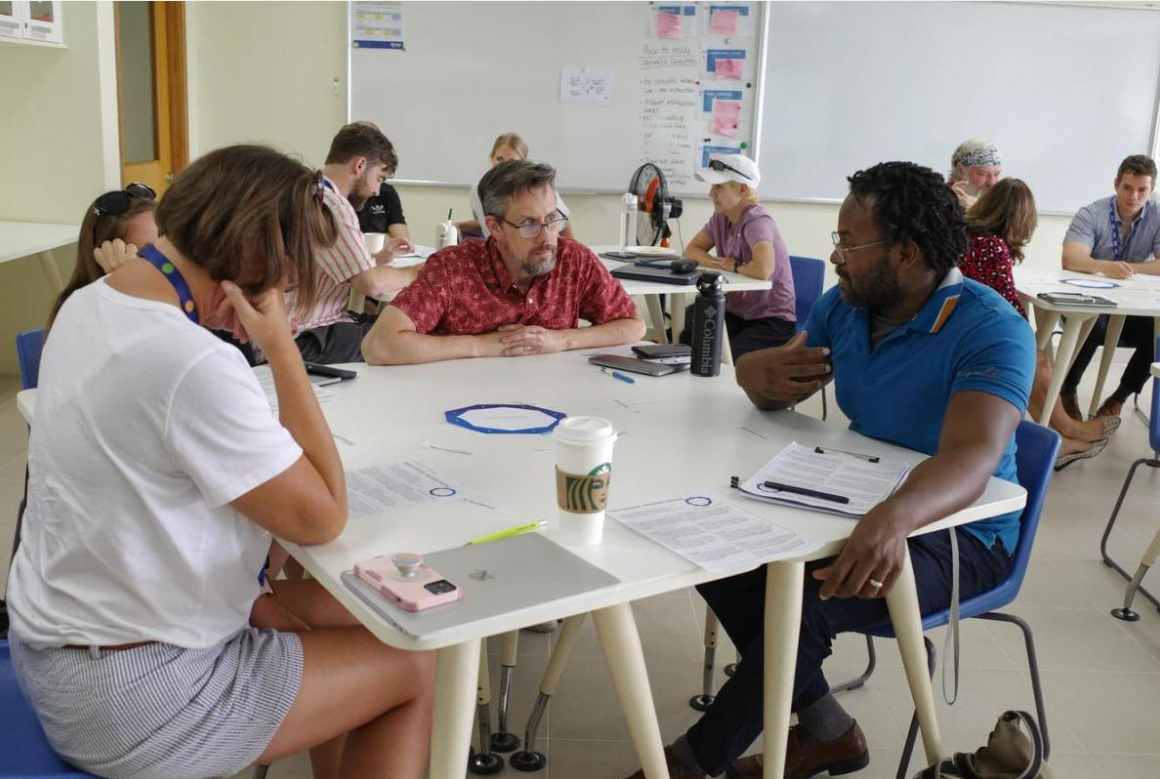
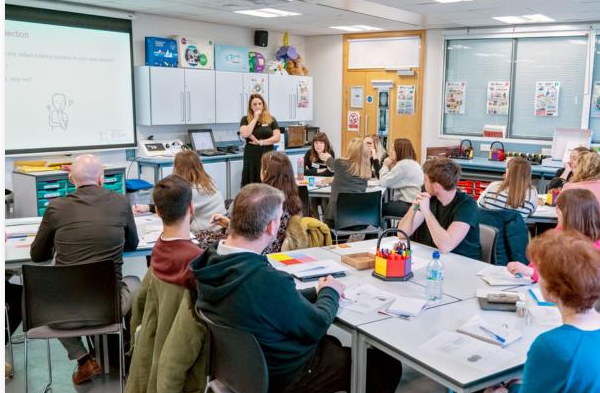
The term PLC in education stands for Professional Learning Community. It refers to a group of teachers, school leaders, and other education professionals who work together to improve teaching practices and student learning outcomes.
Instead of working independently, educators in a Professional Learning Community share ideas, discuss classroom challenges, review student performance, and develop strategies to make learning more effective.
PLCs are becoming an important part of school improvement because they encourage teamwork, continuous professional development, and shared responsibility for student success.
In this article, we explain the PLC meaning in education, its purpose, key characteristics, benefits, examples, and how schools can establish an effective PLC.
What Does PLC Stand for in Education?
PLC stands for Professional Learning Community.
A Professional Learning Community is a collaborative group of educators who regularly work together to improve their professional knowledge, teaching methods, and students’ academic progress.
A PLC is more than a regular staff meeting. It is an ongoing process in which teachers identify learning challenges, examine evidence, share teaching strategies, try new approaches, and evaluate the results.
For example, teachers from the same grade may meet every week to discuss why students are struggling with mathematics. They can compare assessment results, share classroom experiences, and develop new teaching activities to address the problem.
The main goal is to improve the quality of education through continuous collaboration.
What Is the Purpose of a PLC in Education?
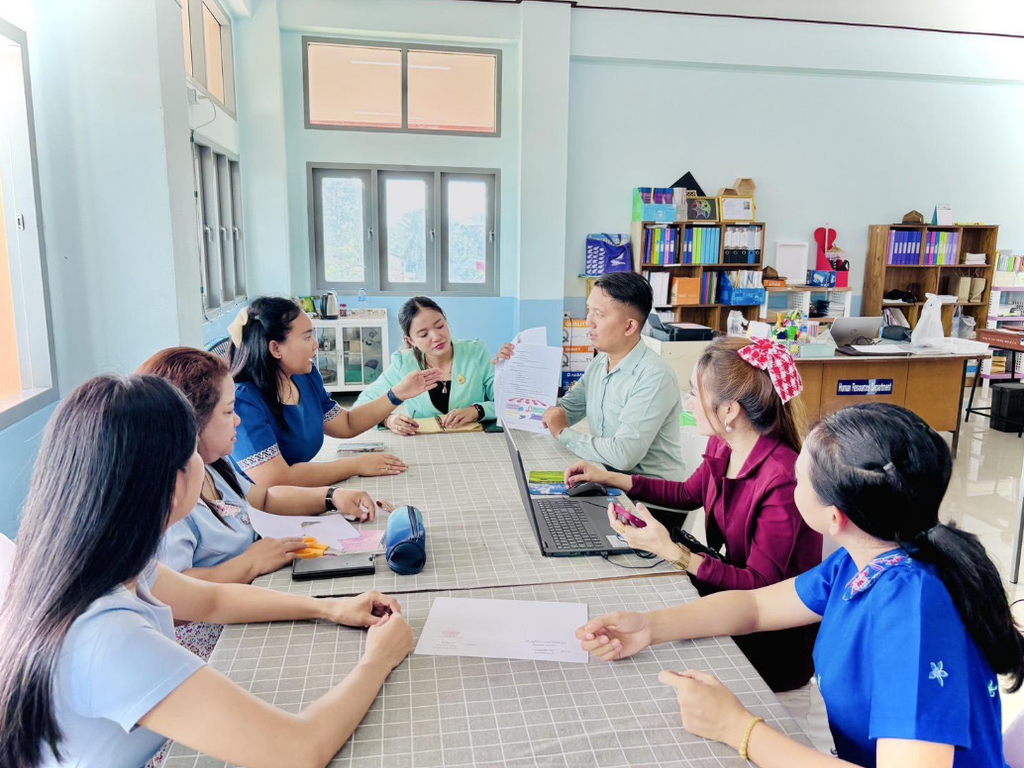
The primary purpose of a PLC is to improve student learning by helping educators learn and work together.
Its main objectives include:
1. Improving Student Achievement
Teachers examine student performance and identify areas where learners need additional support. They then develop strategies to address learning gaps.
2. Supporting Teacher Development
Educators share professional knowledge, discuss new teaching methods, and learn from one another’s experiences.
3. Encouraging Collaboration
A PLC creates opportunities for teachers to work as a team rather than managing every classroom challenge independently.
4. Improving Teaching Strategies
Teachers evaluate their classroom practices and explore different approaches to make lessons more engaging and effective.
5. Creating a Culture of Continuous Improvement
PLCs encourage schools to regularly review their teaching practices, identify areas for improvement, and take action.
Key Characteristics of an Effective PLC
A successful Professional Learning Community has several important characteristics.
Shared Vision and Goals
Members understand the community’s purpose and work toward common educational goals. These goals should focus on improving teaching and student learning.
Collaborative Learning
Teachers regularly exchange ideas, resources, experiences, and teaching strategies.
Focus on Student Learning
Discussions are centred on what students are learning, where they are experiencing difficulties, and how teachers can help them progress.
Shared Responsibility
All members accept responsibility for contributing to the team’s work and supporting student success.
Continuous Professional Development
Educators keep learning through workshops, professional discussions, classroom observations, research, and reflection.
Data-Informed Decisions
Teachers use relevant evidence, such as assignments, assessments, classroom observations, and student feedback, to guide decisions.
How Does a PLC Work in a School?
A PLC generally works through regular meetings and a continuous cycle of planning, action, evaluation, and improvement.
A typical PLC process includes the following steps:
- Identify a learning need: Teachers determine which subject, skill, or learning outcome requires attention.
- Set a shared goal: The team agrees on what students should know or be able to do.
- Plan teaching strategies: Members develop lesson plans, activities, and support materials.
- Apply the strategies: Teachers use the agreed approaches in their classrooms.
- Review student progress: The team examines assessment results and other evidence.
- Make improvements: Teachers adjust their methods based on what worked and what needs further attention.
This cycle can be repeated throughout the academic year.
Examples of PLC in Education
PLCs can be organised in different ways depending on the school’s needs.
Example 1: Mathematics Teachers’ PLC
A group of mathematics teachers notices that students are struggling with fractions.
They meet regularly to:
- Compare student assessment results.
- Share methods for explaining fractions.
- Prepare practical classroom activities.
- Discuss student progress.
- Improve their lesson plans.
The shared effort helps teachers identify more effective ways to teach the topic.
Example 2: English Language Teachers’ PLC
English teachers may create a PLC to improve students’ reading and writing skills.
They can share reading materials, develop writing exercises, discuss grammar instruction, and evaluate students’ progress.
Example 3: Special Education PLC
Teachers and support professionals can collaborate to understand students’ individual learning needs.
They may discuss inclusive teaching strategies, accessible learning materials, classroom support, and ways to monitor progress.
Example 4: Technology and STEM PLC
Science, mathematics, and technology teachers may work together to introduce project-based learning, coding activities, robotics, and practical experiments.
This approach helps educators connect different subjects and create meaningful learning experiences.
Benefits of Professional Learning Communities

An effective PLC can benefit teachers, students, and schools.
Benefits for Teachers
- Opportunities to learn from colleagues.
- Greater confidence in classroom instruction.
- Access to shared teaching resources.
- Professional support when facing challenges.
- Opportunities to reflect on teaching practices.
- Stronger professional relationships.
Benefits for Students
- More thoughtful and consistent teaching.
- Better identification of learning difficulties.
- Greater access to appropriate academic support.
- Lessons that respond to different learning needs.
- More opportunities for meaningful learning.
Benefits for Schools
- Stronger collaboration among staff.
- A culture of professional development.
- More consistent teaching practices.
- Better-informed school improvement decisions.
- Shared responsibility for educational outcomes.
These benefits are most likely when PLC meetings lead to meaningful classroom action rather than remaining limited to discussion.
What Happens During a PLC Meeting?
A PLC meeting usually follows a planned agenda. The exact structure depends on the school’s goals and the needs of its teachers.
Common activities include:
- Reviewing student work and assessment results.
- Discussing classroom challenges.
- Sharing lesson plans and teaching resources.
- Exploring new educational research.
- Planning common assessments.
- Reviewing the effectiveness of teaching strategies.
- Setting targets for future improvement.
A facilitator may guide the discussion, help the group stay focused, and record agreed actions.
PLC vs. Traditional Teacher Meetings
Although PLC meetings may look similar to regular staff meetings, their purpose is different.
| Traditional Teacher Meeting | Professional Learning Community |
|---|---|
| Often shares general school updates | Focuses on professional learning and student outcomes |
| May involve one-way communication | Encourages active collaboration |
| Often discusses administrative matters | Examines teaching and learning challenges |
| May not include follow-up actions | Uses agreed actions and ongoing review |
| Can be occasional | Usually follows a regular, continuous process |
A meeting does not automatically become a PLC simply because teachers attend it. Meaningful collaboration and a sustained focus on improving learning are essential.
How Can Schools Establish an Effective PLC?
Schools can develop effective PLCs by following a few practical steps.
1. Identify the School’s Needs
Begin by understanding the challenges teachers and students are facing. These may include low academic performance, attendance difficulties, literacy gaps, or a need for improved teaching methods.
2. Create Collaborative Teams
Organise teachers into groups based on grade level, subject area, student needs, or shared professional goals.
3. Set Clear Objectives
Each team should establish measurable and realistic goals. For example, a group might aim to improve students’ reading comprehension through targeted classroom activities.
4. Schedule Regular Meetings
Provide dedicated time for teachers to collaborate. Meetings should have a clear purpose and should not become unnecessarily focused on administrative announcements.
5. Encourage Open Communication
Create an environment where educators can share challenges, ask questions, exchange feedback, and discuss mistakes without fear of embarrassment.
6. Use Evidence to Guide Decisions
Review student work, assessments, observations, and feedback to understand whether teaching strategies are effective.
7. Evaluate Progress
Regularly review the team’s goals and determine whether its actions are making a meaningful difference.
Challenges of Implementing PLCs
Although PLCs offer many advantages, schools may face challenges when establishing them.
Limited time: Teachers may have demanding schedules and struggle to find time for collaboration.
Lack of clear goals: Meetings can become unproductive if members do not understand what they are trying to achieve.
Insufficient leadership support: PLCs need school leaders who provide time, resources, guidance, and encouragement.
Resistance to change: Some educators may be uncomfortable sharing their classroom practices or trying unfamiliar approaches.
Limited follow-up: Discussions may not lead to improvement if teachers do not implement and review agreed strategies.
Schools can address these challenges through clear objectives, supportive leadership, protected meeting time, and regular evaluation.
PLC Meaning in Education in India
In India, Professional Learning Communities can support teacher development and school improvement by encouraging educators to collaborate and share effective classroom practices.
Schools can organise PLCs around subjects, grade levels, foundational literacy and numeracy, inclusive education, or digital learning.
The approach also complements the broader emphasis on teacher development and collaborative professional learning in India’s National Education Policy 2020.
For example, teachers in a school can form a PLC to improve foundational literacy. They may review reading activities, exchange teaching resources, discuss student progress, and plan additional support for children who need it.
The exact structure of a PLC can differ between schools and education systems, but its central purpose remains the same: helping educators improve learning through collaboration.
Frequently Asked Questions About PLC in Education
1. What does PLC stand for in education?
PLC stands for Professional Learning Community. It is a group of educators who collaborate to improve teaching practices and student learning outcomes.
2. What is the main purpose of a PLC?
The main purpose is to improve student learning by supporting teacher collaboration, professional development, and continuous improvement in classroom instruction.
3. Who participates in a PLC?
Teachers are the main participants. School leaders, instructional coaches, counsellors, and other education professionals may also participate depending on the school’s needs.
4. What are the main activities of a PLC?
Common activities include lesson planning, reviewing student assessments, discussing classroom challenges, sharing teaching resources, and evaluating instructional strategies.
5. How often should PLC meetings take place?
There is no single required schedule. Many schools organise weekly or fortnightly meetings, while others use monthly sessions. Consistency and meaningful follow-up are more important than a particular frequency.
6. What is the difference between a PLC and professional development?
Professional development is a broad term for activities that help educators improve their knowledge and skills. A PLC is one approach to professional development in which educators learn collaboratively and apply what they learn to improve teaching and student outcomes.
7. Can students be part of a PLC?
Some PLC models involve students or community members in particular activities. However, school-based PLCs generally focus on collaboration among educators.
8. Is a PLC the same as a staff meeting?
No. A staff meeting may focus on announcements, administration, and school operations. A PLC focuses on continuous professional learning, teaching improvement, and student progress.
Conclusion
The meaning of PLC in education is Professional Learning Community. It is a collaborative approach that helps teachers and other education professionals improve their skills, share knowledge, and support better student outcomes.
An effective PLC involves shared goals, regular professional discussions, evidence-informed decisions, and practical action in the classroom.
By building a culture of collaboration and continuous improvement, schools can help teachers grow professionally while creating better learning opportunities for students.