
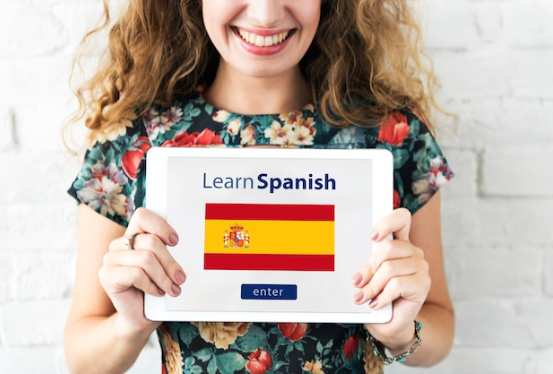
In today’s global society, proficiency in a second language, such as Spanish, is increasingly valuable. Online Spanish courses have emerged as a popular solution for language learners of all ages, allowing flexibility and accessibility. What makes these courses truly effective is their ability to cater to various learning styles, ensuring that each student can engage with the material in a way that best suits them. This blog will explore how online Spanish courses accommodate different learning preferences.
1. Visual Learners and Interactive Content
For visual learners, online Spanish courses often incorporate a range of multimedia resources, such as videos, infographics, and interactive presentations. These elements can help to illustrate grammar rules and vocabulary in a visually stimulating manner.
By utilizing images and visual aids, students absorb information more effectively, allowing them to connect words and phrases with real-world contexts. Thus, online Spanish courses designed for visual learners can significantly enhance comprehension and retention.
2. Auditory Learners and Conversational Practice
Auditory learners thrive on listening and speaking activities. Online Spanish courses cater to this learning style by offering audio lessons, podcasts, and interactive dialogue opportunities. Instructors may include pronunciation guides and auditory exercises to help students familiarize themselves with the sounds and rhythms of the Spanish language.
Additionally, live classes or conversation partners allow auditory learners to engage in meaningful conversations, further reinforcing their language skills through active participation.
3. Kinesthetic Learners and Hands-On Activities
Kinesthetic learners prefer hands-on approaches that involve physical engagement. Online Spanish courses often incorporate interactive exercises, quizzes, and games that encourage active participation.
By utilizing platforms that allow for interactive learning, such as virtual flashcards or language apps, kinesthetic learners can reinforce their skills through movement and action. This physical engagement not only makes learning fun but also enhances memory retention, making it easier for students to recall vocabulary and grammar when needed.
4. Reading/Writing Learners and Structured Exercises
For those who excel in reading and writing, online Spanish courses provide ample opportunities to engage with texts, work on written assignments, and participate in extensive reading exercises.
Learners can benefit from grammar-focused worksheets, written journals, and reading comprehension materials that build their understanding of sentence structure and vocabulary. By incorporating written assignments and reading materials, online Spanish courses cater to students who thrive in a more traditional academic environment, fostering their linguistic development.
5. Personalization and Flexibility
One of the greatest advantages of online Spanish courses is their ability to adapt to individual learning preferences. Many programs offer customizable paths, allowing learners to choose specific topics, pacing, and formats that align with their personal goals.
Whether a student prefers immersive conversations, structured grammar lessons, or self-paced exercises, online Spanish courses can be tailored to meet these preferences. This flexibility enhances motivation and engagement, making the learning experience more enjoyable and effective.
Conclusion
In conclusion, online Spanish courses are designed to cater to various learning styles, from visual and auditory to kinesthetic and reading/writing learners. By incorporating interactive content, conversation practice, hands-on activities, and structured exercises, these courses provide a comprehensive language-learning experience.
Furthermore, the personalization and flexibility of online programs ensure that each learner can engage in a manner that best suits their individual preferences. As a result, online Spanish courses not only make learning accessible but also foster a deeper understanding and appreciation for the language.